3 Body Tweaks That Stop Wide‑Tire Skids on City Streets
You’ll learn three concrete body‑position adjustments that keep a cruiser with wide tires planted through tight turns. Most tutorials ignore the interplay between seat height, arm leverage and weight shift, leaving riders to fight every corner.

Every commuter who swaps a skinny road tire for a 4‑inch balloon hears the same warning: corners become a gamble, and a single slip can cost a broken chain, a dented rim, or a trip to the ER that eats into rent. The fear of losing control often keeps riders stuck in the straight‑line lane, wasting the comfort that a cruiser promises. Confidence on the curve, however, is the real currency for daily riders.
The contact patch of a fat tire spreads pressure over a larger area, which reduces the bite you feel on a slick asphalt surface. When the rubber flattens, the tread can’t carve a narrow line of traction, and the bike begins to drift outward as you lean. This physics explains why many cruiser owners describe the front end as “soft” during low‑speed turns.
Add a slight lean and the tire’s sidewall is forced into a deformation that sacrifices lateral grip before the tread can engage. The wider profile also raises the bike’s roll axis, meaning the bike wants to stay upright longer than a narrow‑tired counterpart. The combination of sidewall flex and elevated roll center creates a sweet spot where a modest input can launch a skid.
When you move your hips toward the inside of the turn, the bike’s center of mass follows, lightening the outer tire and allowing the inner tire to press harder into the pavement. This shift also shortens the steering angle needed to stay on the line, reducing the amount of counter‑steering you must apply. The net effect is a smoother arc that feels planted rather than precarious.
If you keep the torso upright while the hips swing, the upper body acts like a pendulum that pulls the handlebars away from the turn, undoing the benefit of the weight shift. Tilting the shoulders slightly inward aligns the spine with the bike’s lean, turning the rider into a single, cohesive lever. This alignment lets the front wheel follow the path dictated by the hips without fighting the bike’s geometry.
A lower saddle pushes the center of gravity nearer to the ground, which narrows the bike’s roll radius and makes it easier to tip the bike into a turn without over‑compensating. The trade‑off is a cramped pedaling position that can sap power on long climbs, but for city commuting the stability gain outweighs the loss of leg extension. Dropping the seat a half‑inch to an inch is usually enough to feel the difference.
Raising the seat by even an inch lifts the rider’s mass higher, increasing the lever arm that the bike must rotate during a corner. The result is a slower response to lean inputs and a tendency for the bike to wander toward the outside of the curve. Many cruiser owners who install aftermarket cushions inadvertently raise the seat, unknowingly compromising cornering confidence.
Your elbows work like tiny rudders, providing the fine‑grained steering input that a wide tire cannot generate on its own. Bending the elbows inward during a turn narrows the effective handle‑bar width, which shortens the steering radius and gives the front wheel a clearer line through the corner. Keeping the arms relaxed prevents the handlebars from fighting the bike’s natural lean.
Pull the grips toward your chest just enough to feel a gentle pressure against the forearms, then let the bike’s momentum dictate the rest of the motion. This subtle cue keeps the front wheel aligned with the direction of travel while allowing the hips to do the heavy lifting. Over‑gripping, however, creates a stiff front end that can snap the tire sideways.
First, check the handle‑bar width; a bar that is too wide forces the shoulders to over‑extend, which counteracts the inward elbow bend you are trying to achieve. Swapping to a bar that is 2‑3 inches narrower than stock typically costs between $30 and $80 for a decent alloy model, and the reduction in leverage can be felt immediately.
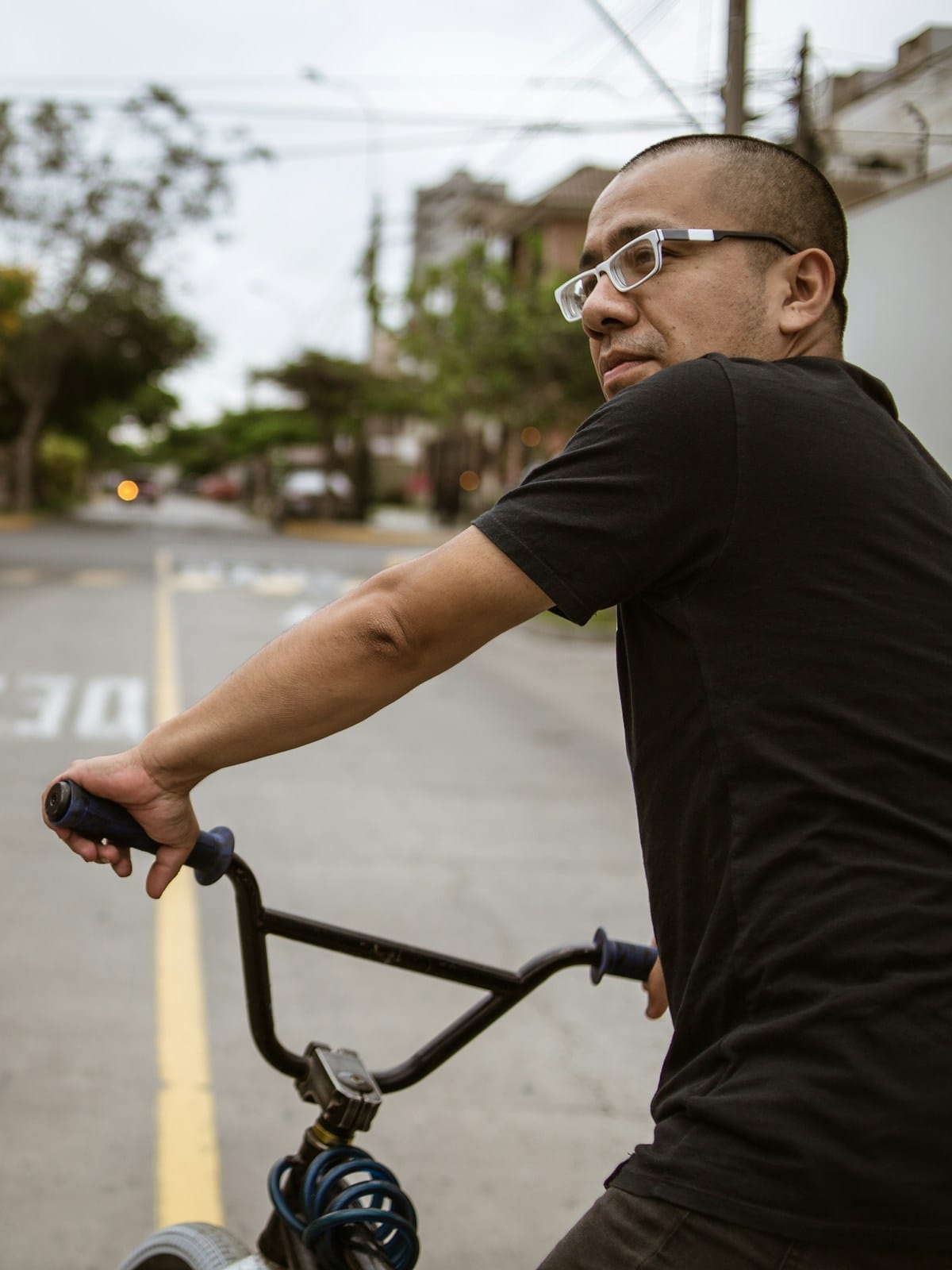
Second, consider swapping the stock grips for a set with a slight concave profile; the extra pocket encourages a natural inward pull during a turn. A pair of ergonomic cruiser grips runs from $25 to $60, and the added comfort reduces hand fatigue on longer rides, letting you focus on body position instead of grip pain.
Third, a modest brake‑lever shim made of polymer can move the lever closer to the bar by a quarter‑inch to a half‑inch, giving you more room to bend the elbows without hitting the lever. These shims are priced between $15 and $35 and install with a simple bolt, making them a low‑risk upgrade that directly supports the steering‑arm technique described earlier.
Before you hand over cash, verify that the new component matches your bike’s head‑tube diameter, bolt‑circle size, and overall reach, because a mismatch can force you to purchase adapters that eat into your budget. Checking the manufacturer’s specifications against your current setup prevents the common scenario where a seemingly cheap bar ends up costing twice as much after a return and a second purchase.
Finally, confirm that the warranty covers the type of riding you do every day, as many cruiser warranties exclude high‑frequency urban commuting and only honor occasional leisure rides. Asking the retailer for a written statement clarifies whether a cracked handle or a stripped bolt will be replaced without extra charge, saving you a surprise invoice after a hard‑stop.
Keep reading

How to Tame a 900‑lb Cruiser at 5 mph – Avoid Damage and Burnout
Learn the specific body‑technique and bike‑setup tweaks that keep a heavyweight cruiser steady at crawl speed. Most guides overlook the interaction between clutch slip and foot‑peg geometry, leaving riders stuck in trial‑and‑error.